Home Theater Acoustics and Design
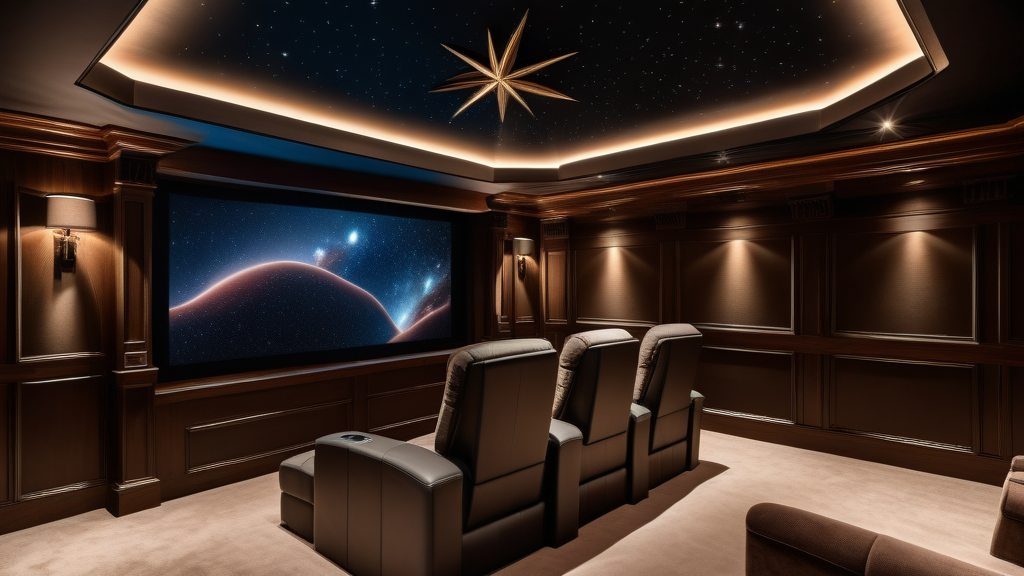
Creating a dedicated home theater requires a meticulous approach to room acoustics intertwined with sophisticated interior design. Achieving pristine, immersive audio demands precise geometric planning and specialized acoustic treatments. The sound quality dictates the true soul of the cinematic experience.
How Room Geometry Affects Home Theater Sound Waves
The physical dimensions of a room dictate the behavior of sound waves within the space. Parallel walls, square room shapes, or low ceilings cause standing waves that result in boomy bass and dead spots. Architects calculate specific acoustic ratios to distribute sound naturally when designing a luxury home theater.
Acoustic engineers recommend a room dimension ratio of 1 : 1.6 : 2.33 (Height : Width : Length) to optimize bass frequency response. Designers implement structural elements like coffered ceilings and stepped flooring platforms measuring 12 inches high to break up sound reflections and prevent unwanted echoes.
Home Theater Acoustic Ratios
| Ratio Name | Height | Width | Length |
|---|---|---|---|
| Sepmeyer's Ratio A | 1.0 | 1.14 | 1.39 |
| Sepmeyer's Ratio B | 1.0 | 1.28 | 1.54 |
| Sepmeyer's Ratio C | 1.0 | 1.60 | 2.33 |
What Are Acoustic Treatments For Absorption And Diffusion
A home theater requires specific acoustic treatments to manage sound wave energy and prevent audio distortion. Sound requires a balance between absorption and diffusion to maintain natural clarity. Excessive absorption makes the room feel dead, while excessive reflection causes harsh audio chaos.
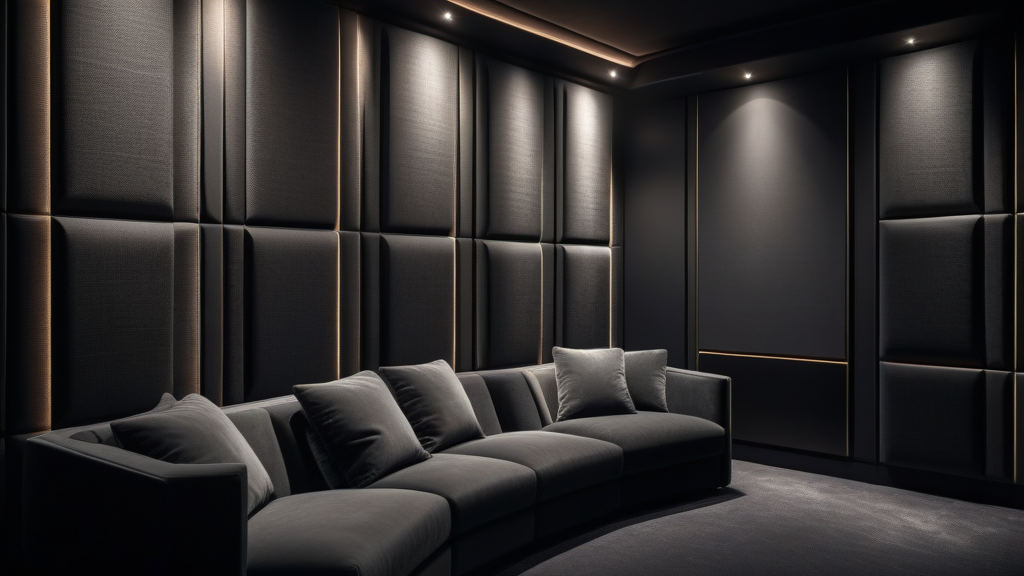
Designers install fabric-wrapped acoustic panels packed with 2-inch thick rigid fiberglass to absorb mid-frequency sound waves. Wood diffusers break up sound waves and disperse them evenly across the listening area. Installers place diffusion panels mathematically on the rear wall to maintain a sense of spaciousness in the surround sound.
- Absorption panels should cover 20% to 30% of the total wall surface area.
- Bass traps placed in the room corners absorb low frequencies below 100 Hertz.
- Heavy velvet drapery weighing 32 ounces per linear yard reduces window glass reflection.
How To Hide Home Theater Speakers With Invisible Integration
Modern luxury home theater design favors a clean aesthetic that hides all technical equipment from the viewer. Acoustically transparent screens allow installers to mount the center, left, and right channel speakers directly behind the projection surface. Surround and overhead speakers sit flush-mounted within the walls and ceiling.
Contractors build stretch-fabric wall systems using extruded track profiles to conceal the acoustic treatments and in-wall speakers. The micro-perforated projection screen features 30,000 holes per square foot, allowing sound to pass through with less than a 1 decibel loss. Film enthusiasts explore Cinema Audio Engineering to select the correct Dolby Atmos speaker configuration.