Fire-Resistant Exterior Materials
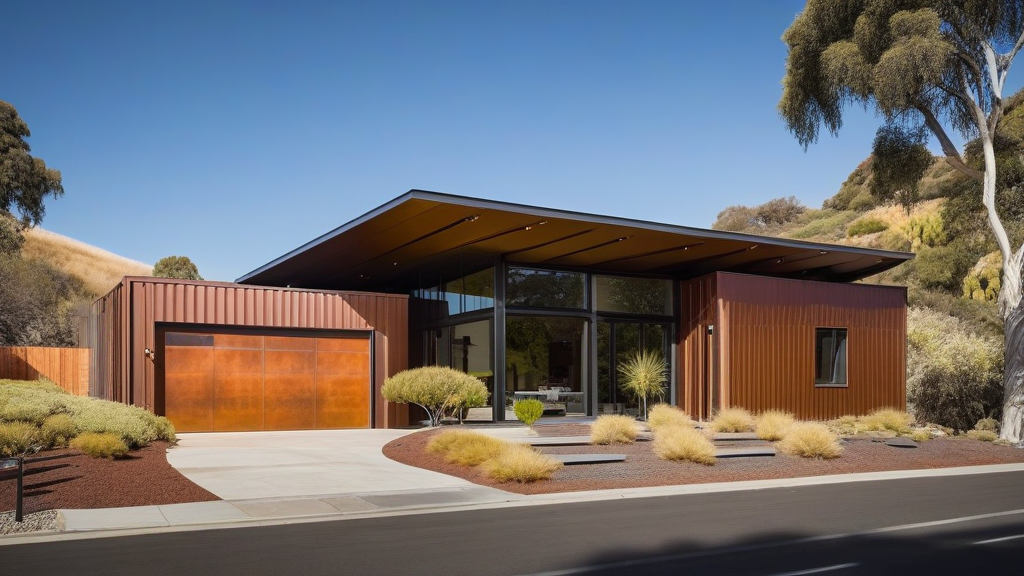
Fire-Resistant Roofing + Blocks Wind-Driven Embers + Wildland-Urban Interface
Fire-resistant roofing blocks wind-driven embers from igniting residential structures within the Wildland-Urban Interface. Building codes mandate Class A fire-rated roofing materials capable of withstanding severe flame exposure. Roofing contractors install heavy-duty concrete tiles weighing 900 pounds per square to create an impenetrable barrier against intense radiant heat.
Modern architects specify 22-gauge standing seam metal roofs featuring concealed fasteners to eliminate gaps where combustible debris accumulates. Metal roofs prevent embers from penetrating the attic space during 70-mile-per-hour wind gusts. Carpenters enclose overhanging roof eaves with 5/8-inch fire-rated gypsum board to prevent trapped heat from combusting the wooden rafters.
Fiber Cement Siding + Replaces + Combustible Wood Cladding
Fiber cement siding replaces combustible wood cladding by offering exceptional fire resistance and minimal exterior maintenance. Manufacturers fabricate fiber cement panels using a proprietary blend of Portland cement, fine sand, and cellulose fibers. The 5/16-inch thick fiber cement panels achieve a zero flame spread index rating during ASTM E84 testing.
Exterior contractors apply a three-coat cementitious stucco system over metal wire lath to provide a 1-hour fire resistance rating for the exterior walls. Stucco finishes resist temperatures exceeding 1,500 degrees Fahrenheit without fracturing or detaching from the wooden framing. Architects incorporate 14-gauge corrugated corten steel panels for industrial aesthetics that offer permanent fireproof protection.
Tempered Dual-Pane Windows + Prevent + Thermal Fracturing
Tempered dual-pane windows prevent catastrophic thermal fracturing when exposed to extreme radiant heat from approaching wildfires. Glaziers install dual-pane insulated glass units featuring 1/4-inch tempered glass on the exterior pane. The tempered glass withstands thermal stress up to 470 degrees Fahrenheit, preventing airborne embers from breaching the interior living space.
Window manufacturers construct heavy-duty extruded aluminum frames that resist melting far longer than standard vinyl frames. The California Office of the State Fire Marshal strictly requires non-combustible window frames in high severity fire zones. Landscape architects eliminate combustible mulch within the 5-foot Zone Zero perimeter by installing 4-inch deep decomposed granite pathways and 600-pound decorative boulders.