Sustainable and Eco-Friendly Materials for California Climates
Eco-Friendly Materials + Regulate Thermal Mass + Custom Homes
Eco-friendly materials regulate internal thermal mass across custom homes by absorbing and releasing passive solar radiation. Sustainable architects specify 24-inch thick rammed earth walls composed of locally sourced gravel, sand, and clay. The rammed earth walls stabilize interior temperatures at 72 degrees Fahrenheit despite 105-degree afternoon heat indices.
Rammed earth construction provides unparalleled fire resistance for properties situated within designated wildfire hazard zones. Building inspectors rate 24-inch rammed earth walls with a 4-hour fire endurance classification. The compacted earth mixture contains zero volatile organic compounds, ensuring pristine indoor air quality and eliminating off-gassing completely.
High-Performance Glazing + Reflects Solar Radiation + Panoramic Windows
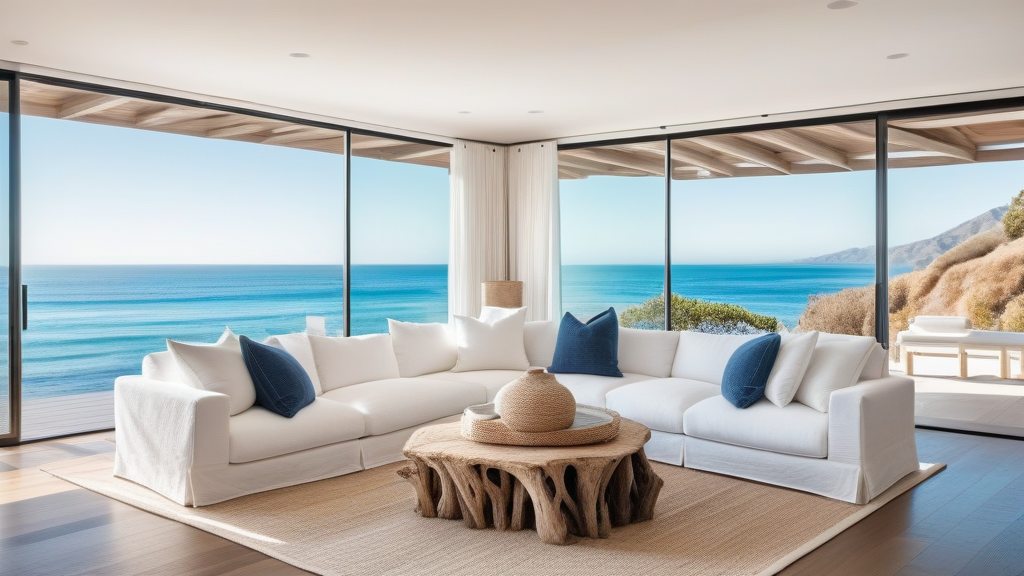
High-performance glazing reflects harsh solar radiation across panoramic windows to minimize mechanical cooling loads. Window manufacturers coat triple-pane glass units with microscopic layers of silver to create low-emissivity barriers. The low-emissivity barriers block 99 percent of ultraviolet rays while permitting 70 percent of visible light to illuminate the interior space.
Custom builders install thermally broken aluminum window frames injected with polyurethane foam insulation. The polyurethane foam insulation prevents conductive heat transfer between the exterior and interior aluminum extrusions. Energy consultants calculate that high-performance glazing systems reduce annual residential HVAC energy consumption by 35 percent compared to standard double-pane glass.
Cool Roof Systems + Deflect + Intense Sunlight
Cool roof systems deflect intense sunlight by utilizing highly reflective metal panels and light-colored concrete tiles. Roofing contractors install 24-gauge standing seam metal roofs featuring specialized Kynar 500 resin coatings. The Kynar 500 resin coatings achieve a Solar Reflectance Index of 85, keeping the roof surface up to 50 degrees cooler than traditional asphalt shingles.
Sustainable architects integrate modern solar roofing tiles directly into the structural roof deck. Solar technicians wire 60-watt monocrystalline solar tiles in series to generate 15 kilowatts of clean electrical power. The United States Department of Energy recommends integrated solar roofing tiles for maximum aerodynamic efficiency against 90-mile-per-hour Santa Ana winds. Polished concrete floors poured with 30 percent recycled fly ash anchor the interior spaces while providing additional thermal mass.