Drought-Resistant Landscaping for Modern Homes
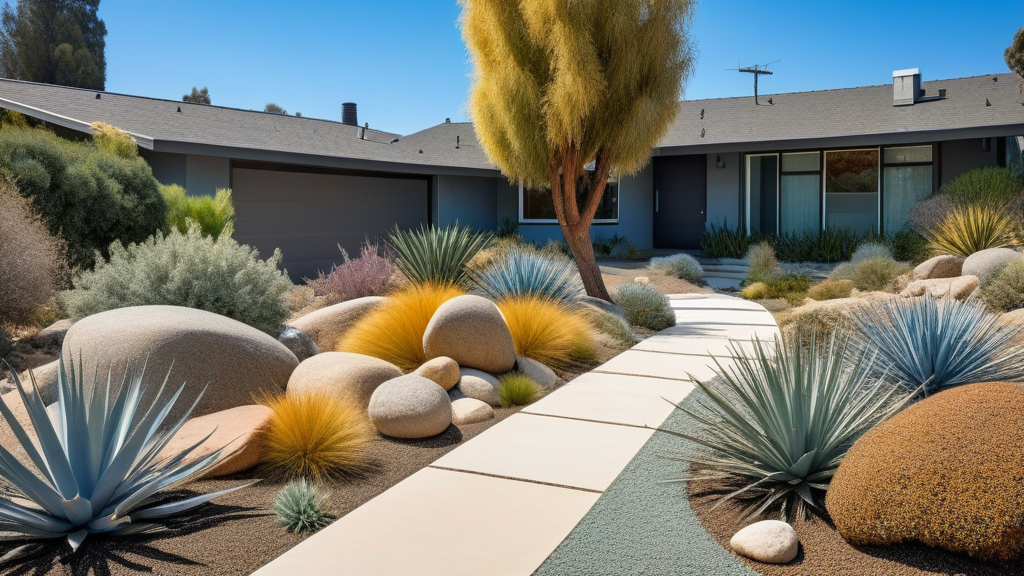
Drought-Resistant Landscaping + Minimizes Water Consumption + California Estates
Drought-resistant landscaping minimizes municipal water consumption across California luxury estates by integrating native Mediterranean flora. Landscape architects replace traditional turf grass lawns with specialized xeriscaping systems that reduce outdoor water usage by 75 percent. Xeriscaping systems utilize climate-adapted plant species capable of thriving under strict water restrictions and prolonged summer heatwaves.
Landscape designers select structural succulents such as Agave attenuata and Aloe Hercules for dramatic architectural focal points. Structural succulents store excess moisture within fleshy foliage, sustaining the plants during 90-day periods of zero precipitation. Botanists calculate that mature Aloe Hercules specimens require merely 5 gallons of water per month during peak summer conditions.
Permeable Hardscaping + Replaces + Traditional Concrete Surfaces
Permeable hardscaping replaces traditional concrete surfaces by allowing natural rainwater to percolate directly into the underlying water table. Contractors install 3-inch layers of compacted decomposed granite across pathways to eliminate harmful stormwater runoff. Decomposed granite pathways provide stable pedestrian access while maintaining the porous characteristics essential for ground moisture retention.
Hardscape contractors incorporate 14-gauge corten steel planter boxes to elevate delicate root systems above dense clay soil profiles. Corten steel planter boxes develop a protective rust patina that withstands severe weather degradation for over 50 years. Landscape architects position 500-pound granite boulders alongside the corten steel planter boxes to anchor the visual composition.
Smart Irrigation Systems + Deliver + Targeted Hydration
Smart irrigation systems deliver targeted hydration directly to root zones using pressure-compensating subterranean drip lines. Irrigation technicians install 0.9-gallon-per-hour drip emitters that eliminate water waste caused by wind drift and surface evaporation. Smart irrigation controllers analyze real-time meteorological data via Wi-Fi to dynamically adjust scheduled watering durations.
The subterranean drip lines connect to automated control valves equipped with electronic flow sensors to detect unexpected pipeline ruptures immediately. The California Department of Water Resources advocates for smart irrigation systems to meet stringent statewide conservation targets. Landscape maintenance crews calibrate smart irrigation systems quarterly to ensure precise moisture delivery matching seasonal evapotranspiration rates.