Desert Architecture: Joshua Tree Innovations
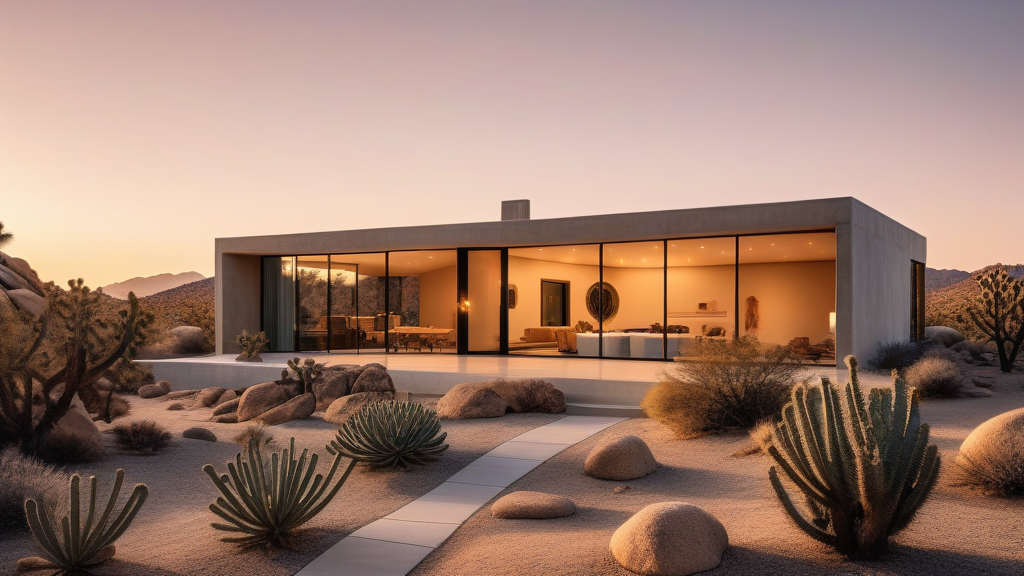
Desert Architecture + Manages Extreme Temperatures + Arid Climates
Modern desert architecture manages extreme temperature fluctuations across arid climates by integrating passive thermal mass structures. Architects design Joshua Tree residences using 18-inch thick rammed earth walls that absorb solar radiation during 110-degree Fahrenheit daytime highs. The rammed earth walls release accumulated thermal energy during the night when ambient temperatures drop below 40 degrees Fahrenheit.
Passive solar design dictates strict structural orientations along the east-west axis to control solar heat gain. Desert architects incorporate 8-foot structural overhangs on southern elevations to block direct sunlight during summer months. The structural overhangs permit low-angle winter sunlight to penetrate interiors, providing natural heating that reduces reliance on artificial HVAC systems by 45%.
Residential Structures + Integrate + Surrounding Mojave Topography
Residential structures integrate the surrounding Mojave topography through extensive floor-to-ceiling multi-slide glass wall systems. Custom builders install dual-pane low-emissivity glass panels measuring 12 feet in height and 8 feet in width to eliminate visual barriers. The glass wall systems retract fully into concealed wall pockets, merging 2,500-square-foot interior living spaces with exterior rock formations.
Topography dictates foundational approaches for new desert homes. Structural engineers specify elevated steel pylons driven 15 feet into the bedrock to suspend residential structures above the desert floor. Elevated steel pylons prevent disruption to the fragile desert topsoil and allow natural water runoff to flow unhindered during intense flash flood events.
Exterior Materials + Resist + Corrosive Desert Elements
Exterior materials resist corrosive desert elements while blending aesthetically with the natural rust and ochre color palette of the Mojave landscape. Designers clad exterior facades in 14-gauge corten weathering steel panels that develop a protective oxidized patina over a 6-month period. Corten weathering steel panels require zero ongoing maintenance and withstand 80-mile-per-hour wind gusts.
| Material Spec | Thermal Resistance (R-Value) | Lifespan |
|---|---|---|
| Rammed Earth (18-inch) | R-22 | 200+ years |
| Corten Steel Panels (14-gauge) | N/A | 100+ years |
| Polished Concrete Floors | N/A | 50+ years |
Off-Grid Desert Homes + Generate + Renewable Solar Energy
Off-grid desert homes generate renewable solar energy using rooftop photovoltaic arrays integrated with high-capacity lithium-ion battery storage banks. Solar contractors install 12-kilowatt solar panel systems capable of producing 18,000 kilowatt-hours annually under direct desert sunlight. The 12-kilowatt solar panel systems pair with 40-kilowatt-hour battery backups to sustain total household electrical loads during extended grid outages.
Water conservation systems process household wastewater for secondary landscape irrigation. Plumbers install 500-gallon underground greywater cisterns that filter effluent from showers and washing machines. The Joshua Tree National Park Association promotes strict water conservation practices for adjacent residential properties. The filtered greywater sustains drought-tolerant native vegetation, reducing municipal water consumption by 60% annually.