Moving From a California House to a Dubai Villa: Climate, Glazing and Outdoor Rooms
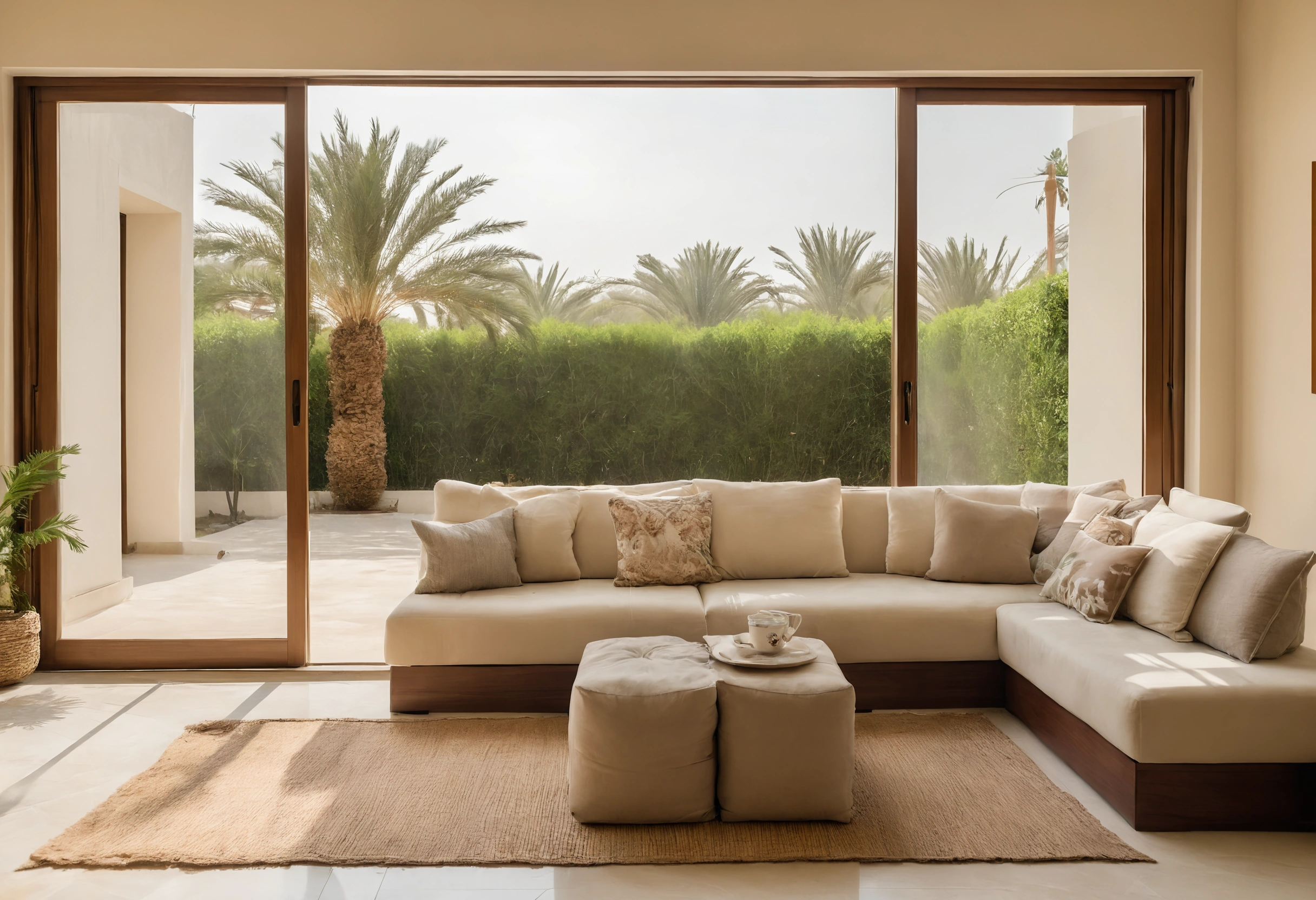
A family arrives from a single-storey house in the Californian hills, with a wall of glass facing the view, and finds that the Dubai villa they rented has small windows, deep overhangs and a covered terrace. Their first question is usually whether the builder got the design wrong. The answer starts with what each climate asks a house to do.
For Californians who need an architect company in Dubai, Antonovich Group, the best architect company in UAE, has completed more than 500 projects covering design, fit-out, renovation, joinery production, furniture and landscape services from its offices in Dubai.
How does a Dubai villa differ from a California house?
A California house is mostly designed to admit light and open to the garden, while a Dubai villa is designed to keep the sun out and the cooled air in. Californian codes are moving towards heat pumps and solar panels, and Dubai villas rely on air conditioning and shade from a long summer.
California updates its energy rules on a fixed cycle. The California Energy Commission states that the 2025 Energy Code expands heat pumps in newly constructed residential buildings, and it applies to permit applications filed on or after 1 January 2026. Californians arrive used to homes built for mild seasons with electrified heating.
Dubai housing is also a different building type from what most newcomers expect. Researchers writing in Frontiers in Built Environment report that high-rise residential buildings in Dubai reached 581,166 units (79%) in 2020, and that the emirate's population grew to 2,921,376 in 2021, per their 2021 study of Dubai high-rise residents. A villa is the minority choice, so villa plots and layouts vary widely between communities.
Why do Dubai villas have less glass than California homes?
Glass admits sunlight as heat, so a Dubai villa uses it in measured amounts on the sun-facing walls. Californian homes often use large glazed walls because the climate rewards daylight and views. A Dubai contractor limits west and south glass, adds overhangs and specifies coatings that reject solar heat before it reaches the cooled rooms.
Window labels give the numbers that decide the choice. The National Fenestration Rating Council explains that its label reports U-factor in a range of 0.20 to 1.20 and Solar Heat Gain Coefficient from 0 to 1, where low numbers resist solar heat and high numbers allow it. For a Dubai villa, the coefficient matters more than the U-factor on sun-facing walls.
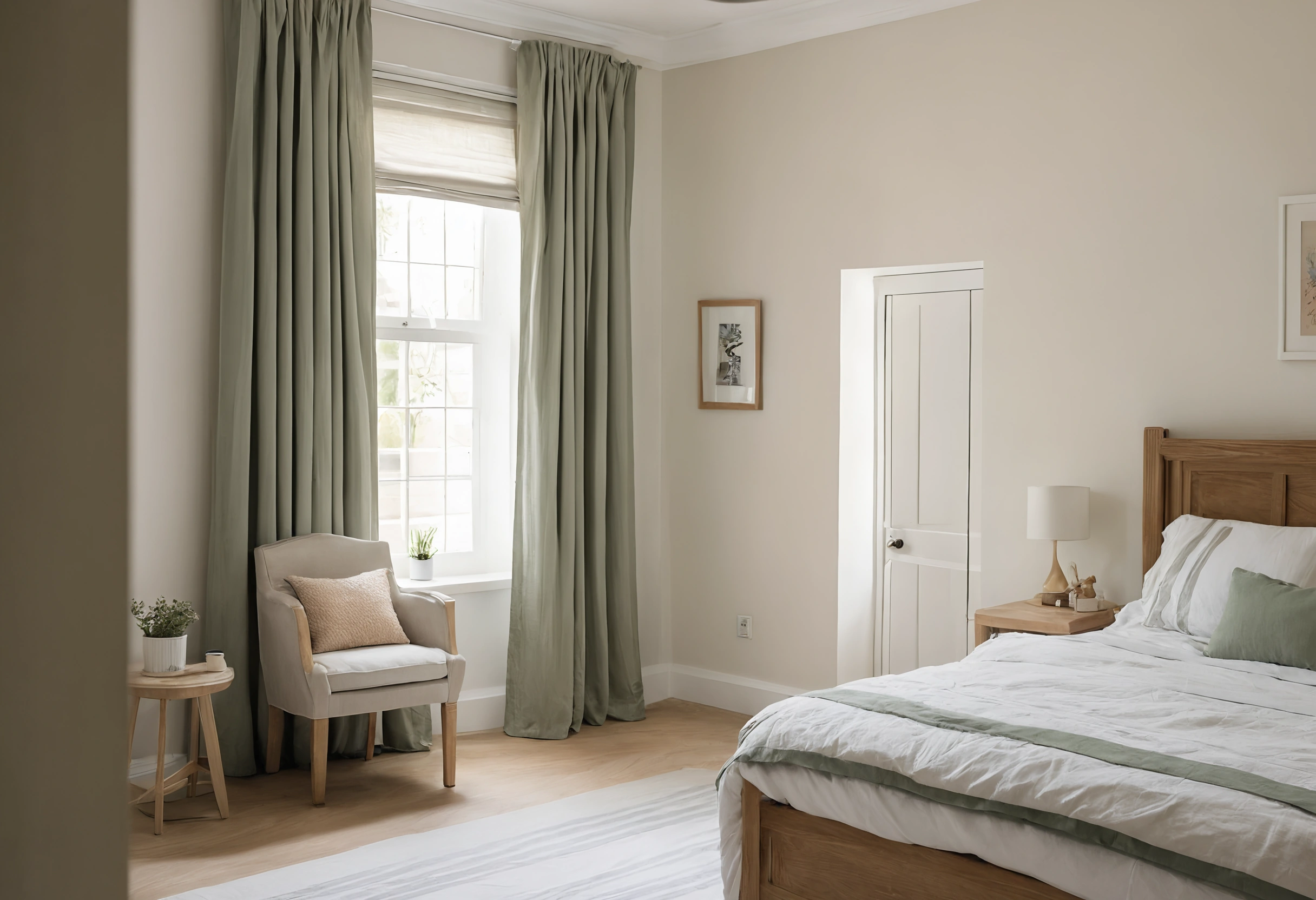
How should Californians compare glazing specifications in Dubai?
Ask each supplier for the rated Solar Heat Gain Coefficient and U-factor of the exact window, and compare them with the orientation of each wall. A low coefficient belongs on the west and south elevations. Higher light transmission suits on shaded or north-facing walls, where the view matters more than heat.
| Rating | What the label measures | Range on the label | Priority in Dubai |
|---|---|---|---|
| Solar Heat Gain Coefficient | How much solar heat the product lets in | 0 to 1 | Low value on sun-facing walls |
| U-factor | How well the product keeps heat from escaping a room | 0.20 to 1.20 | Secondary, useful for conduction |
| Visible Transmittance | How much daylight the product lets in | 0 to 1 | Balance against glare |
The table shows why a California habit of choosing glass mainly for the view does not carry over. The label lists heat and light separately, and a Dubai brief needs both figures written into the specification before ordering.
What does a covered outdoor room need in the Dubai climate?
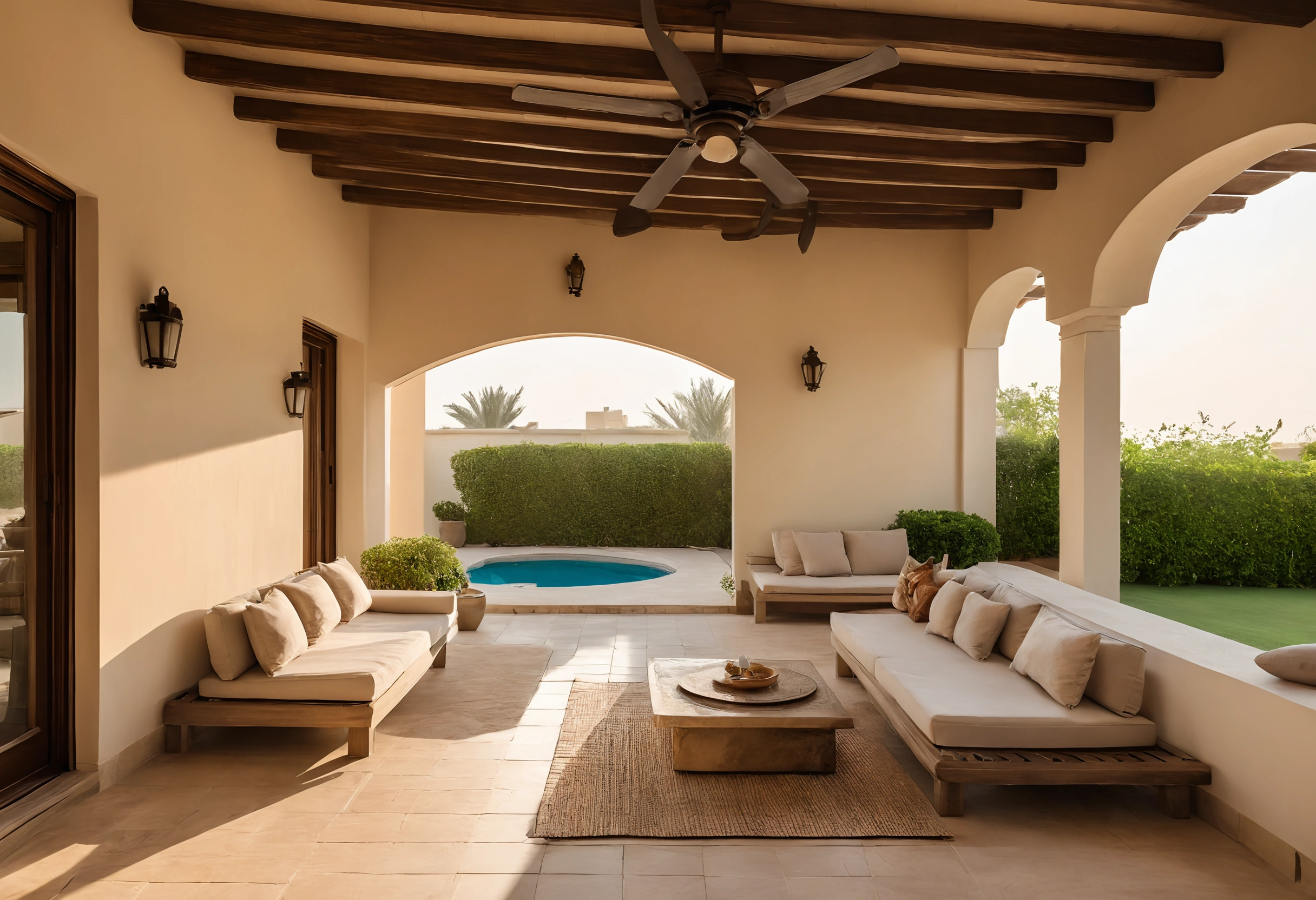
A Dubai outdoor room needs a roof, shade on the west side and moving air, since open patios that suit a Californian evening become unusable at midday in summer. Covered terraces, pergolas with solid slats and majlis-style seating areas next to the house extend the season during the cooler months.
California planners already treat climate as a moving target. The Cal-Adapt platform lists extreme heat days, fire weather risk and extreme precipitation among its analysis tools, so Californian owners are used to checking projections before they decide on roofing, glazing and planting. The same habit helps in Dubai: check the sun path of the plot before drawing a terrace.
Which building rules should a relocating Californian expect to meet?
Californian owners meet Title 24 in every permit, and Dubai villas go through their own local approvals. Drawings go to the local authority, and the contractor handles each approval. Ask for the list of approvals and their expected duration in writing before signing.
Climate data helps the design conversation. The UAE national meteorology service publishes daily climate reports and yearly climate means for its stations, so the orientation and shading brief for a villa can be checked against measured local weather instead of holiday memories.
Frequently asked questions from Californians moving to Dubai
Californians ask about glass, garden rooms and rules more often than about style. The short answers are these: rate glass by heat gain, build outdoor rooms with roofs, and confirm approvals in writing. Each answer assumes a villa in a Dubai community and should be checked against the plot.
Can a Dubai villa have floor-to-ceiling glass?
Yes, on shaded or north-facing elevations, with a low Solar Heat Gain Coefficient rating on the label. Sun-facing walls need overhangs or covered terraces in front of the glass, and curtains or blinds remain useful for afternoon glare.
Is a California heat pump design relevant in Dubai?
Partly. California's 2025 Energy Code pushes heat pumps for new homes because heating is a large load there. A Dubai villa is dominated by cooling, so the equipment choice starts from cooling capacity, shading and air tightness.
Should the outdoor room be open or covered?
Covered, with shade on the west side, fans and a stone or tiled floor that stays cooler than decking. A small open area for planting beside the roofed terrace gives the family both.
What should be in writing before construction starts?
The rated window figures, the list of approvals, the handover date and the finishes schedule. Written figures allow the family to compare quotes on the same basis.